Signal Flow
Definition
Signal flow is the path an audio signal follows through a system. However large the installation, the order is the same: source, preamplifier, processing, routing buses, amplifier and loudspeaker. A busker's two-channel rig and the main system of a festival follow this sequence, and only the amount of equipment at each stage differs.
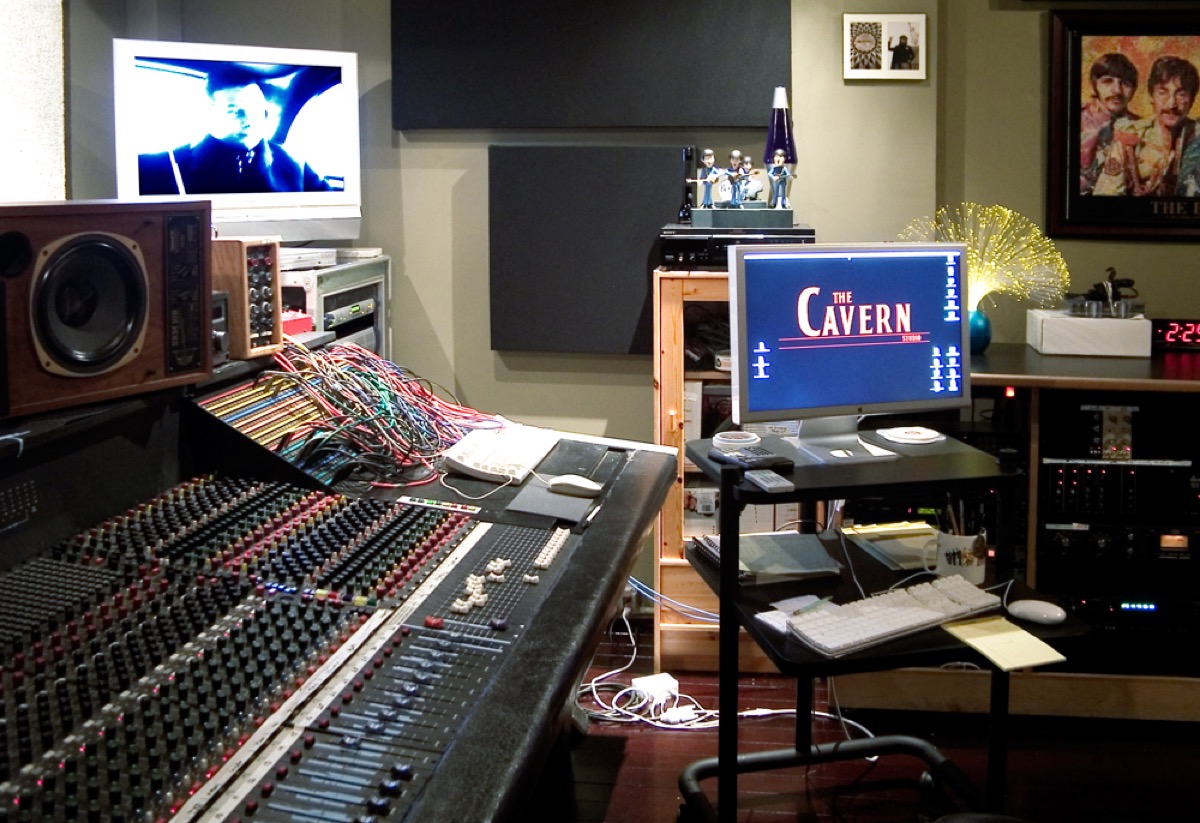

The guide
Each stage has one function. The source produces the signal. The preamplifier raises a microphone-level signal, typically between -60 and -40 dBu according to Shure, to line level so that the following stages receive a usable level. Processing shapes the signal, and the buses combine it and distribute it to its destinations. The amplifier raises it to the power a loudspeaker needs, and the loudspeaker converts it back into sound. A broken or misrouted link produces silence, the wrong signal or an unexpected duplicate.
This model gives troubleshooting a method. When a signal is missing, the operator follows the chain from input to output and checks the meters stage by stage until the first point where the signal disappears. An engineer who knows the signal flow of a system can locate most faults quickly with this method.
The rule
A missing signal is traced from input to output, stage by stage, without assuming where the fault lies.
Glossary terms
Sources
- Shure, What's the Difference Between Line and Mic Levels? Niveau micro d'environ −60 à −40 dBu, niveau ligne professionnel +4 dBu · shure.com
- Yamaha Pro Audio, Aux Sends and Returns : départs auxiliaires pré et post-fader, retours d'effets · hub.yamaha.com
- Yamaha Pro Audio, gain staging en console live : niveaux étage par étage le long de la chaîne · hub.yamaha.com