Safety Protocols
Definition
Safety procedures on a show protect both the crew and the audience, and they rest on planning done before the work begins. In the European Union, Framework Directive 89/391/EEC requires employers to assess the risks to their workers, and in the United Kingdom the Management of Health and Safety at Work Regulations 1999 require the same assessment. UK practice often pairs the risk assessment with a method statement describing how the task is carried out safely, a combination known as RAMS.

The guide
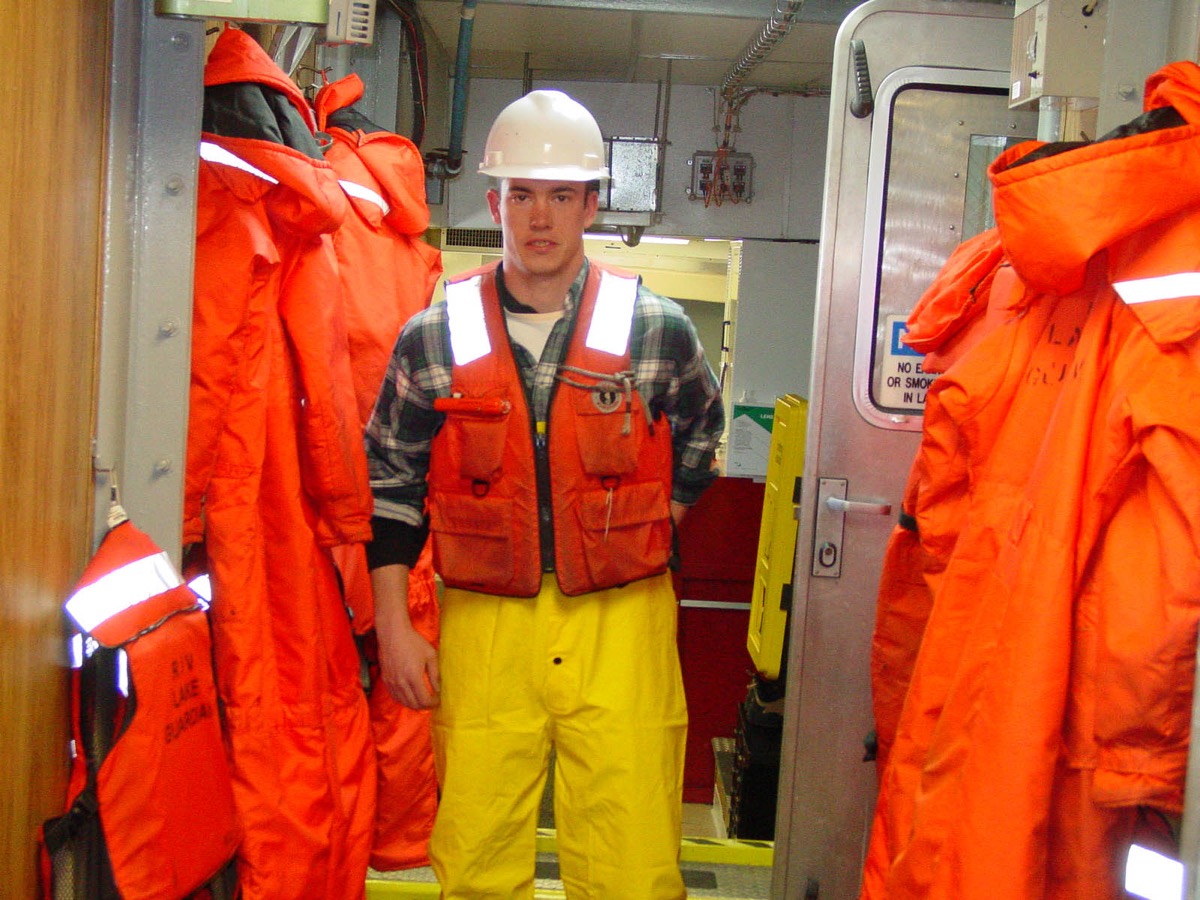
Personal protective equipment is chosen to suit the task: safety helmets (EN 397 in Europe) under a rig being built, full body harnesses (EN 361) and fall protection for work at height, high-visibility clothing (EN ISO 20471) and safety footwear during load-in. In the United States the corresponding standards are ANSI/ISEA Z89.1 for helmets, ANSI/ASSP Z359.11 for harnesses and ANSI/ISEA 107 for high-visibility clothing. Work at height is regulated in its own right, for example by the Work at Height Regulations 2005 in the United Kingdom, by OSHA 29 CFR 1910.140 on personal fall protection systems in the United States, and in France by the Code du travail, which requires collective protection such as guardrails and allows a fall-arrest harness only where collective protection cannot be installed (articles R4323-59 and R4323-61).
The high-risk activities of a show are predictable: rigging and flown loads, power distribution with its risks of electric shock and fire, work at height, and crowd management. Each has standard controls. Exclusion zones are kept clear under loads being flown. A circuit is isolated and locked before work on it, a procedure called lockout/tagout in the United States (OSHA 29 CFR 1910.147 for machinery and equipment, 29 CFR 1910.333 for electrical work) and "consignation" under NF C 18-510 in France, where it comprises separation, locking, identification, verification of absence of voltage, and earthing and short-circuiting. Trained stewards and physical barriers manage the interface between audience and production; in the United Kingdom, the Purple Guide gives guidance for music and other events.
Stopping work is part of the procedure. Directive 89/391/EEC protects workers who leave a workstation in the event of serious and imminent danger, French law provides a right of withdrawal (droit de retrait, Code du travail article L4131-1), and in the United States 29 CFR 1977.12 protects a refusal to work only under strict conditions. A common industry practice goes further and allows any crew member to stop an operation they consider unsafe until the hazard has been corrected.
The rule
An unsafe operation is stopped, and it resumes only once the hazard has been controlled.
Glossary terms
Sources
- Directive 89/391/CEE (EUR-Lex) : évaluation des risques par l'employeur, protection du salarié qui quitte son poste en cas de danger grave et immédiat · eur-lex.europa.eu
- HSE, The Event Safety Guide (HSG195, 2e édition 1999, dit Purple Guide) : guide de sécurité des concerts et événements musicaux · livemusicexchange.org
- Events Industry Forum, The Purple Guide : guide actuel de santé, de sécurité et de bien-être pour la musique et les autres événements · eventsindustryforum.co.uk
- legislation.gov.uk, Management of Health and Safety at Work Regulations 1999, regulation 3 : évaluation des risques par l'employeur · legislation.gov.uk
- legislation.gov.uk, Work at Height Regulations 2005 (SI 2005/735) : réglementation britannique du travail en hauteur · legislation.gov.uk
- OSHA, 29 CFR 1910.147 : The control of hazardous energy (lockout/tagout) · osha.gov
- OSHA, 29 CFR 1910.333 : méthodes de travail électrique, mise hors tension et consignation (Subpart S) · osha.gov
- OSHA, 29 CFR 1910.140 : systèmes individuels de protection antichute · osha.gov
- OSHA, 29 CFR 1977.12 : refus de travailler protégé sous conditions · osha.gov
- BSI, EN 397 Industrial safety helmets : casques de protection pour l'industrie · knowledge.bsigroup.com
- iTeh Standards, EN 361:2002 : harnais d'antichute · standards.iteh.ai
- ISO, ISO 20471 : vêtements à haute visibilité · iso.org
- ISEA, Head Protection : ANSI/ISEA Z89.1, casques de protection industriels · safetyequipment.org
- ASSP, What the updated Z359.11 standard means for full-body harnesses : ANSI/ASSP Z359.11, harnais antichute · assp.org
- ANSI Blog, ANSI/ISEA 107-2020 High-Visibility Apparel : vêtements haute visibilité · blog.ansi.org
- Légifrance, Code du travail, article R4323-59 : prévention des chutes par garde-corps (protection collective) · legifrance.gouv.fr
- Légifrance, Code du travail, article R4323-61 : système d'arrêt de chute individuel à défaut de protection collective · legifrance.gouv.fr
- Légifrance, Code du travail, article L4131-1 : droit d'alerte et de retrait · legifrance.gouv.fr
- NF C 18-510, consignation en cinq étapes (séparation, condamnation, identification, VAT, mise à la terre et en court-circuit) : résumé Prévention/One Tilt · onetilt.fr